.png)
The Complete Guide to Sourcing Women's Fashion from India
Quick Answer
Sourcing women's fashion from India allows global retailers, boutique owners, and department stores to leverage century-old textile heritage alongside modern, flexible garment manufacturing. By prioritizing fabric quality, sample review, rigorous quality control, and direct communication with a dependable women's apparel manufacturer, fashion brands can streamline cross-border apparel production while maintaining exceptional quality and competitive lead times.
Why Global Fashion Buyers Continue to Choose India
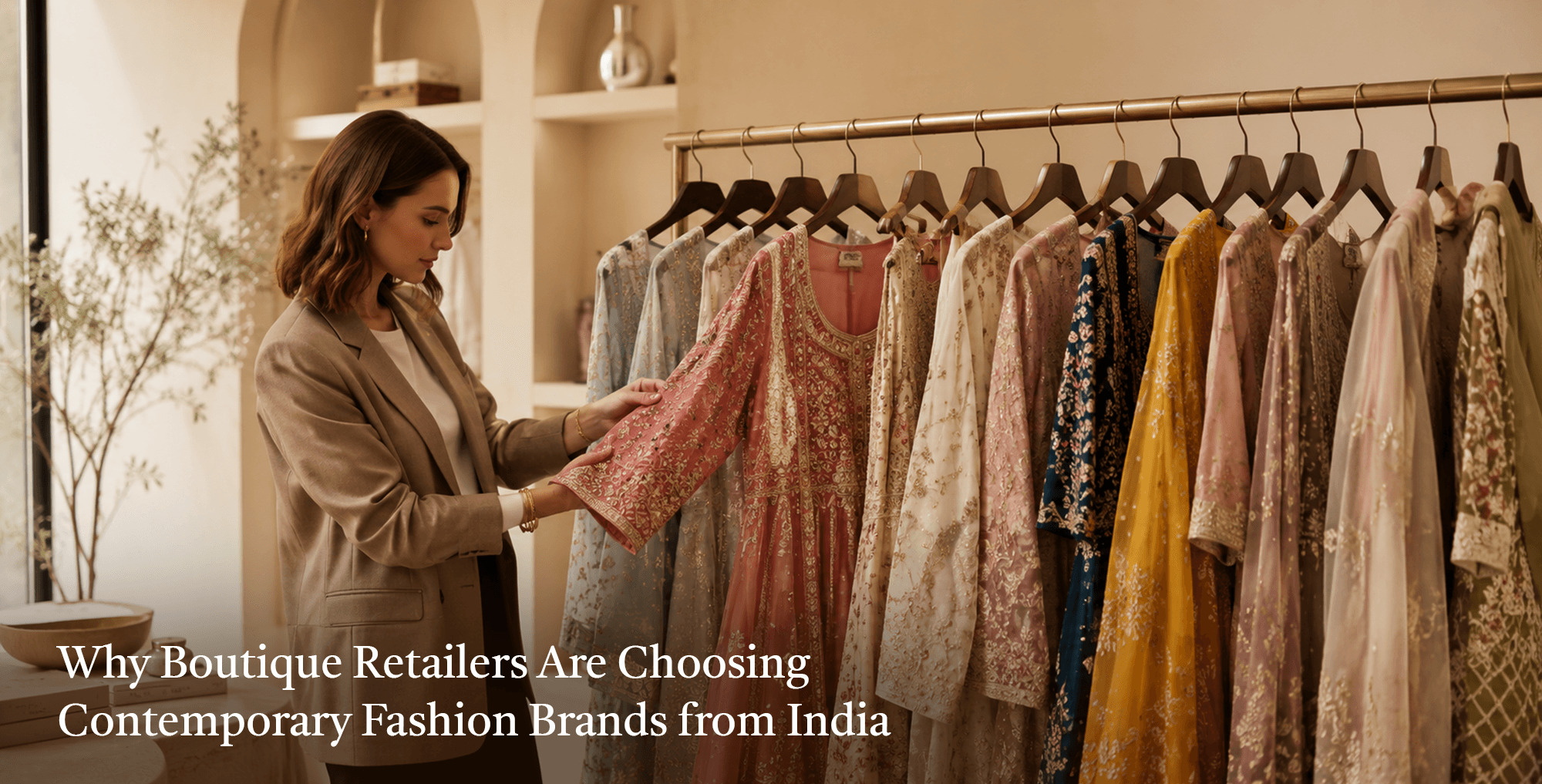
For decades, India has been one of the world's leading destinations for apparel manufacturing. Today, international retailers, boutique owners, department stores, and fashion brands source women's clothing from India not only because of competitive production costs, but also because of the country's expertise in textiles, craftsmanship, and flexible manufacturing capabilities.
Whether you are launching a boutique label, expanding an established retail business, or searching for a reliable manufacturing partner, understanding how the sourcing process works is essential. Choosing the right supplier affects product quality, delivery timelines, customer satisfaction, and the long-term success of your brand.
This guide explains what international buyers should consider when sourcing women's apparel from India and how a manufacturing partner like Laxakaar can support the process from concept to finished garment.
Why India Is a Global Hub for Women's Fashion Manufacturing
India's reputation in fashion manufacturing is built on a combination of heritage and modern production capabilities.
Textile Expertise
India has centuries of experience working with natural fibres, weaving techniques, embroidery traditions, and garment construction. Today, that craftsmanship is combined with modern manufacturing processes to produce collections for domestic and international markets.
Diverse Fabric Availability
Manufacturers in India have access to a wide variety of materials, including:
- Cotton
- Linen
- Viscose
- Rayon
- Silk
- Blended fabrics
- Sustainable fibres (where applicable)
This diversity enables brands to create collections suited to different climates, price points, and customer preferences.
Skilled Workforce
Experienced pattern makers, sample developers, garment technicians, quality inspectors, and production teams contribute to consistent product quality and efficient manufacturing.
Flexible Production
Many Indian manufacturers support both established retailers and growing boutique brands by offering flexible production models that can accommodate seasonal collections and evolving business needs.
What Makes a Reliable Women's Clothing Manufacturer?
Selecting a manufacturing partner should involve more than comparing prices. The most successful retail partnerships are built on quality, communication, consistency, and transparency.
When evaluating a manufacturer, consider the following:
Product Quality
Request samples to assess:
- Stitching consistency
- Fabric quality
- Fit and finishing
- Trim quality
- Durability
Well-made samples provide insight into the manufacturer's production standards.
Communication
Clear communication reduces misunderstandings and helps projects stay on schedule. A responsive manufacturing team should be able to answer questions about sampling, production timelines, materials, and order progress.
Production Capacity
Understanding a manufacturer's production capabilities helps determine whether they can support your current requirements and future growth.
Quality Assurance
Reliable manufacturers implement quality checks throughout the production process rather than relying solely on final inspections.
Export Experience
For international buyers, experience with export documentation, packaging, and logistics simplifies cross-border transactions and reduces delays.
Understanding the Manufacturing Process
Although every business operates differently, a typical apparel manufacturing workflow includes:
- Design review
- Fabric selection
- Pattern development
- Sample creation
- Fit revisions
- Material sourcing
- Production planning
- Cutting
- Stitching
- Finishing
- Quality inspection
- Packing
- Shipment
A structured process helps maintain consistency across production runs and supports on-time delivery.
Why Fabric Selection Matters
Fabric influences how a garment looks, feels, performs, and lasts. It also affects production costs, care requirements, and customer satisfaction.
Common considerations include:
- Breathability
- Weight
- Drape
- Texture
- Durability
- Seasonal suitability
- Care instructions
For example, linen is often preferred for resort wear because of its lightweight feel and breathability, while cotton remains a versatile choice for everyday apparel. Check out our latest Linen Collection to see how these fabrics translate into contemporary designs.
Choosing a Manufacturing Partner Like Laxakaar
Beyond production capabilities, many buyers value partners who understand fashion trends, retail requirements, and long-term collaboration.
At Laxakaar, our approach focuses on:
- Contemporary women's apparel designed for modern retail
- Attention to garment quality and finishing
- Transparent communication throughout production
- Collections developed with international buyers in mind
- Long-term relationships built on reliability and consistency
Rather than simply fulfilling orders, we aim to become a trusted manufacturing and sourcing partner for retailers looking to expand their product offerings with thoughtfully designed apparel from India. Discover our New Arrivals or explore our full Latest Collection to see our production standards firsthand.
What's Next?
In the next sections of this pillar guide, we'll explore:
- How sampling and product development work
- Quality assurance at every production stage
- Understanding minimum order quantities (MOQs)
- Production timelines and shipping
- Common sourcing challenges and how to avoid them
- FAQs for international buyers
Are you attending trade events this year? Meet our team at COTERIE New York 2026 to view samples in person.
Key Resources & Actions
- Learn more About Laxakaar
- Browse our Latest Collection
- Browse our New Arrivals
- Submit a Trade Inquiry or Contact Us
- Book a Meeting with our production team
- [Download Trade Catalog] for full wholesale specifications